
Picture walking into a living room where a single plant commands the entire corner of the space. No flowers, no cascading vines, just a set of enormous, glossy leaves the size of serving platters angled dramatically toward the nearest window. That plant is almost certainly an elephant ear plant, and the reaction it produces in people who see a healthy specimen for the first time is almost always the same. They want one. The elephant ear plant earns that response by delivering the kind of bold, architectural presence that most houseplants never come close to.
Once you understand what it needs, the elephant ear plant is not particularly difficult to keep looking spectacular, but it does have a few strong preferences around light, humidity, and moisture that make the difference between a plant that thrives and one that quietly declines within a few months of coming home. This guide covers everything you need to grow a healthy, dramatic elephant ear plant year-round.
| Aspect | Details |
|---|---|
| Botanical Names | Colocasia spp. (Taro), Alocasia spp., Xanthosoma spp. |
| Common Names | Elephant ear plant, taro, giant taro, African mask (Alocasia) |
| Plant Family | Araceae |
| Native Region | Southeast Asia, tropical Americas |
| Light | Bright indirect light, 4-6 hours daily |
| Water | When top 1-2 inches (2.5-5 cm) of soil feel dry |
| Humidity | 50-70% |
| Temperature | 65-85 degrees F (18-29 degrees C) |
| Soil | Rich, well-draining potting mix with perlite |
| Mature Size Indoors | 2-6 feet tall (60-180 cm) depending on variety |
| Mature Size Outdoors | 4-10 feet (120-300 cm) in warm climates |
| Growth Rate | Fast during growing season |
| Toxicity | Toxic to cats, dogs, and humans (ASPCA) |
| Difficulty Level | Intermediate |
| USDA Zones | 8-11 outdoors; grown as a houseplant everywhere |
Elephant Ear Plant Varieties Worth Knowing
Not every elephant ear plant behaves identically in an indoor setting, and understanding the main varieties helps you choose the one that matches your space and care style from the start. The three most common genera sold as elephant ear plants at Home Depot, Lowe’s, and specialty nurseries are Colocasia, Alocasia, and Xanthosoma, and while they share the same dramatic leaf shape that gives the elephant ear plant its name, their care preferences differ in a few meaningful ways.
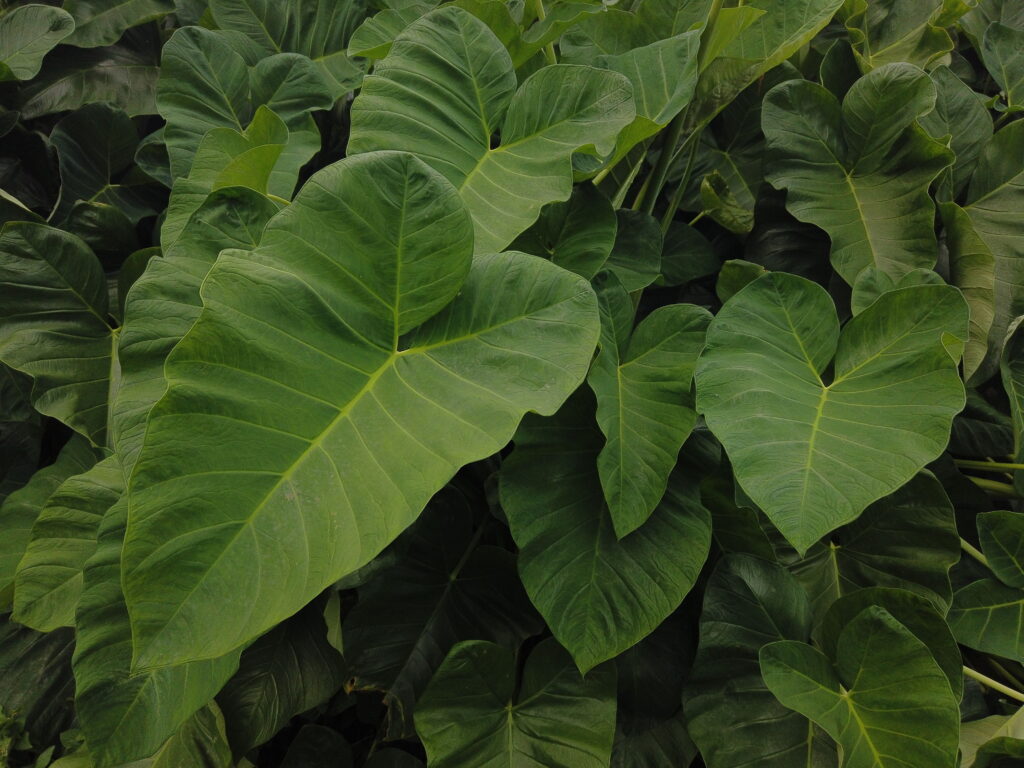
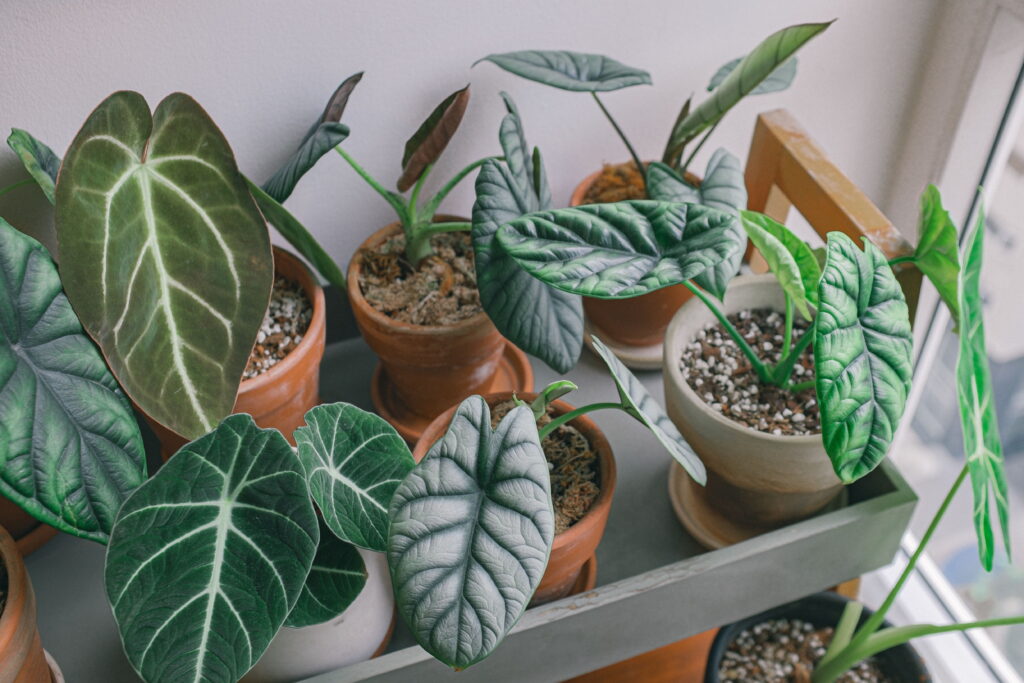
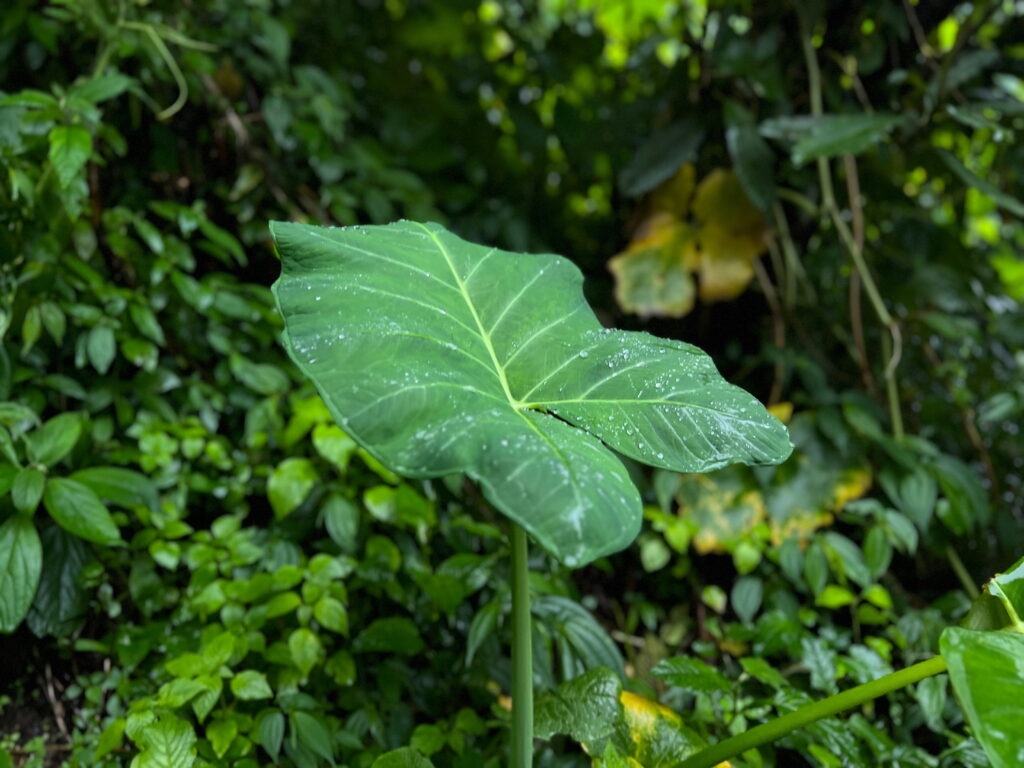
Colocasia, commonly called taro, is the most vigorous of the three and produces the largest leaves of any elephant ear plant variety available for home growing, often reaching 3 to 4 feet (90 to 120 cm) in length under ideal conditions. It prefers consistently moist to wet soil and handles low light better than the others. Alocasia, sometimes called the African mask plant, produces more upright leaves with striking silver veining and prefers bright indirect light, well-draining soil, and slightly drier conditions between waterings compared to Colocasia.
Xanthosoma is the least commonly found of the three but offers a more compact growth habit that suits smaller indoor spaces where a full-sized elephant ear plant might be overwhelming. For a broader look at plants with similarly bold foliage, our guide on big leaf indoor plants covers the best large-leaved options for every light condition.
Light: What Your Elephant Ear Plant Actually Needs
Light is the first care factor to get right when you bring an elephant ear plant home, because the wrong placement produces the kind of slow, invisible decline that looks like a root or soil problem when it is actually just a light problem. The elephant ear plant is a tropical species that evolved under the dappled canopy of warm, humid environments, which means it performs best in bright indirect light for at least 4 to 6 hours daily rather than harsh direct midday sun. A spot near an east or north-facing window works well for Colocasia varieties, while Alocasia varieties prefer the higher light intensity of a south or east-facing window with a sheer curtain to filter the most intense afternoon rays.
Direct sun from a west-facing window in summer can scorch the large leaves of an elephant ear plant quickly, leaving pale, bleached patches that are permanent and visually obvious on a leaf that size. When light is too low, the elephant ear plant responds by producing smaller leaves on progressively longer, weaker stems, and the vibrant green or deep purple coloring of healthy foliage fades to a dull, flat green that lacks depth. If your best available spot is on the dim side, a quality supplemental light makes a real difference. Our guide on best grow lights for indoor plants covers the most effective options for large tropical plants that need more intensity than a standard grow light provides.
How to Water Your Elephant Ear Plant Correctly
Watering the elephant ear plant correctly is the single care task that makes the biggest difference to long-term plant health, and the approach varies meaningfully between the Colocasia and Alocasia types in a way that trips up beginners who treat every elephant ear plant the same. Colocasia is the thirstier of the two and actually tolerates wet feet better than almost any other common houseplant, preferring soil that stays consistently moist between waterings without drying out completely.
Alocasia is more sensitive and needs the top 1 to 2 inches (2.5 to 5 cm) of soil to dry out before the next watering, following a schedule closer to most standard tropical houseplants. For both types, water thoroughly when the trigger point is reached, running water slowly through the soil until it drains freely from the bottom of the pot, then emptying the saucer within the hour.
Never leave an elephant ear plant sitting in standing water in its saucer for more than 60 minutes, because this creates the consistently waterlogged root conditions that lead to root rot faster than overwatering from the top. Understanding the difference between these two patterns before you adjust your routine is important, and our guide on overwatering vs underwatering shows the specific visual symptoms that tell you which direction the plant is signaling.
Soil, Pot Selection, and Repotting Your Elephant Ear Plant
The elephant ear plant grows from a central corm or rhizome that expands quickly during the growing season, which means soil quality and pot size both matter more for this plant than for slower-growing tropical houseplants. The ideal soil for an elephant ear plant is rich, slightly moisture-retentive, and fast-draining enough that water does not pool around the roots for days. A base mix of Miracle-Gro Indoor Potting Mix or FoxFarm Ocean Forest amended with about 20 to 30 percent perlite delivers the right balance of nutrition and drainage for most elephant ear plant varieties.
The perlite keeps the mix loose and aerated as the corm expands, preventing the compaction that leads to poor drainage over time. For pot selection, choose a container with drainage holes that is about 2 to 4 inches (5 to 10 cm) larger than the current root ball, and resist the temptation to jump to an oversized container thinking it will encourage faster growth. An oversized pot holds more soil than the roots can draw moisture from, and that excess wet soil creates exactly the root rot conditions an elephant ear plant is susceptible to.
For specific pot material recommendations and size guidance based on plant type, our article on best planters for indoor plants covers the trade-offs between terra cotta, plastic, and ceramic options with clear recommendations. For a full comparison of which soil mixes deliver the best results for tropical plants indoors, our guide on best soil for indoor plants is the most practical starting point. Repot in early spring when you see roots circling the drainage hole or when growth has clearly slowed despite good light and watering.
Temperature, Humidity, and Making an Elephant Ear Plant Feel at Home
The elephant ear plant evolved in warm, humid tropical environments, and both of those conditions, warmth and humidity, need to be provided indoors if you want the plant to produce the oversized, lush leaves it is known for. The comfortable temperature range for an elephant ear plant sits between 65 and 85 degrees F (18 to 29 degrees C), and any exposure to temperatures below 50 degrees F (10 degrees C) causes real damage that shows up as yellowing, browning, and eventual leaf drop.
Keep your elephant ear plant away from exterior doors, drafty windows, and air conditioning vents, because the sudden bursts of cold air from these sources affect tropical plants far more than most people expect, particularly in winter when indoor heating creates a dry, occasionally cold environment near windows and exterior walls. Humidity is the other critical variable that separates a thriving elephant ear plant from one that looks perpetually stressed despite correct watering. The target range of 50 to 70 percent relative humidity is significantly higher than the 30 to 45 percent that most US homes maintain during winter with central heating running.
Running a humidifier near the plant is the most reliable solution, and our article on best humidifier for plants includes specific product recommendations sized for different room types. Grouping your elephant ear plant with other large tropical plants also raises the ambient humidity around the entire group through shared transpiration, which is a passive, no-cost supplement to any humidifier setup.
Fertilizing Your Elephant Ear Plant During the Growing Season
The elephant ear plant is a heavy feeder during spring and summer, and regular fertilizing during this period is one of the main reasons some plants produce leaves the size of a dining table while others in the same conditions produce leaves that are half the size. During the active growing season from early spring through late summer, feed your elephant ear plant every two to four weeks with a balanced liquid fertilizer diluted to half the recommended strength. A formula like Jack’s Classic All Purpose 20-20-20 or Espoma Organic Indoor Plant Food delivers the balanced nutrition that supports both healthy root development and the rapid new leaf growth that makes an elephant ear plant worth having.
Some growers switch to a fertilizer higher in nitrogen during peak summer growth to push larger leaf production, which works well if the plant is already in good light and getting consistent moisture. Stop fertilizing completely from October through February, because the plant’s growth slows significantly during the shorter days of winter and unused fertilizer salts accumulate in the soil and damage roots over time. If you see white crusty residue on the soil surface, flush the pot thoroughly at the sink by running water through it for a full minute to clear mineral buildup before applying any new fertilizer.
Common Problems With Elephant Ear Plant and How to Fix Them
Even well-cared-for elephant ear plants run into problems occasionally, and knowing the most common issues makes it easier to act quickly before a single problem becomes a declining plant.
- Yellow leaves appearing across the plant are the most frequent complaint about the elephant ear plant, and the cause is almost always overwatering, underwatering, or low light depending on the specific pattern of the yellowing. Lower, older leaves yellowing one at a time is often natural aging and not a concern. Yellowing spreading to multiple newer leaves simultaneously suggests a watering or light problem worth addressing. Our full diagnosis guide on plant leaves turning yellow covers every pattern and cause so you can identify the specific issue without guessing.
- Drooping, wilting leaves despite moist soil typically signal root rot rather than thirst. Pull the elephant ear plant from its pot and check the roots. Healthy roots on an elephant ear plant are firm and white or light tan. Rotted roots are brown, soft, and may smell sour. Trim away all damaged tissue with clean scissors, let the root ball air dry for 30 minutes, and repot into fresh well-draining mix. Our detailed guide on root rot treatment covers the full recovery process step by step.
- Brown leaf tips and edges without yellowing almost always point to dry indoor air. The large leaves of an elephant ear plant lose moisture through transpiration faster than smaller-leaved plants, and when humidity is below 40 percent, the leaf edges dry out faster than the plant can replace the moisture. Running a humidifier and moving the plant away from heating vents resolves this in most cases within two to three weeks of new growth appearing.
- Sudden leaf drop after bringing the plant home is a stress response to the environmental change from a greenhouse to your home. Light levels, temperature, and humidity all shift when the plant moves from a climate-controlled growing environment to your living room. Give the elephant ear plant three to four weeks of stable conditions before concluding its long-term health in your space.
Elephant Ear Plant Toxicity: What Pet Owners Must Know
This section matters for anyone who shares their home with animals. According to the ASPCA, the elephant ear plant is toxic to cats, dogs, and horses. The plant contains calcium oxalate crystals in all parts including the leaves, stems, and roots. If ingested, these crystals cause intense oral irritation, drooling, vomiting, and difficulty swallowing in pets.
The reaction is painful and immediate, though fatalities from elephant ear plant ingestion are rare. Place your elephant ear plant in a location that is genuinely inaccessible to pets, especially cats who are more likely to chew on large-leaved tropical plants than most people expect. If you want dramatic tropical foliage without the toxicity risk, our guide on indoor plants safe for cats covers 25 verified non-toxic alternatives. The sap from a cut elephant ear plant stem also causes skin irritation in some people, so wearing gloves when pruning or repotting is a practical precaution worth taking every time.
Mistakes That Hurt Your Elephant Ear Plant
- Putting it in a dim room because the leaves look dramatic in low-light styling photos. An elephant ear plant photographed in a dark, moody interior looks stunning but is almost certainly not the same plant six months after the photo was taken. Low light produces small, pale leaves on a stretched, declining plant.
- Watering on a fixed schedule instead of checking the soil. The elephant ear plant’s watering needs change significantly between summer and winter, between a sunny spot and a shadier one, and between a terra cotta pot and a plastic one. Check the soil every two to three days and water based on what you actually find at the 1 to 2 inch (2.5 to 5 cm) depth mark.
- Skipping humidity support and wondering why the leaf edges brown. The elephant ear plant comes from tropical environments with 60 to 80 percent humidity. Average US indoor air in winter runs 25 to 40 percent. Without a humidifier or humidity-raising strategy, the large leaves suffer visibly.
- Using a pot without drainage holes. An elephant ear plant has no tolerance for standing water around its roots. Every container this plant lives in must have at least one functional drainage hole, full stop.
- Not fertilizing at all during summer. An elephant ear plant that is not fed during its peak growth period produces noticeably smaller leaves and slower overall development. Monthly feeding at half strength during spring and summer is one of the most impactful things you can do for a plant that primarily earns its keep through the size and quality of its leaves.
FAQ
Is the elephant ear plant easy to grow indoors?
The elephant ear plant is best described as intermediate in difficulty. It is not demanding in the way that some tropical plants are, but it does have strong preferences around humidity, light, and watering that require consistent attention. Beginners who can provide a bright indirect light spot, a humidifier during winter, and regular watering without letting the soil waterlog will find the elephant ear plant highly rewarding and relatively manageable.
How fast does an elephant ear plant grow?
Under good conditions with adequate light, warmth, and regular fertilizing, an elephant ear plant is one of the faster-growing houseplants available. During spring and summer, it can push out one new leaf per week or even faster in a very bright, warm spot. Growth slows significantly in fall and winter as day length shortens and temperatures drop. A well-established elephant ear plant can double in size within a single growing season if conditions are consistently good.
Why are my elephant ear plant leaves turning yellow?
Yellowing on an elephant ear plant is most commonly caused by overwatering, underwatering, or insufficient light. Check the soil moisture level first. If it feels wet and heavy days after the last watering, the plant is getting too much water. If it feels bone dry, the plant is too thirsty. If moisture is fine but yellowing continues spreading to newer leaves, the light level is likely the issue. Moving the elephant ear plant to a brighter spot usually resolves light-related yellowing within four to six weeks of new growth appearing.
How big do elephant ear plant leaves get indoors?
Indoors, the elephant ear plant typically produces leaves between 12 and 36 inches (30 to 90 cm) long depending on the species, variety, pot size, light level, and fertilizing routine. Colocasia varieties tend to produce the largest leaves of any elephant ear plant commonly available. Alocasia varieties are slightly smaller but often have more dramatic veining and coloration. Outdoors in USDA zones 8 through 11, elephant ear plant leaves can reach 4 to 6 feet (120 to 180 cm) in length in the ground.
Can I grow elephant ear plant outdoors in the US?
Yes. In USDA hardiness zones 8 through 11, the elephant ear plant can grow outdoors year-round as a perennial. In cooler zones, it can be grown as a summer annual outdoors by planting the corms after the last frost and digging them up to store indoors before the first frost in fall. In zones 9 through 11, including much of Florida, the Gulf Coast, and Southern California, an outdoor elephant ear plant in the ground with regular watering can reach truly spectacular sizes that indoor growing cannot match.
Does the elephant ear plant need a lot of water?
The water needs of an elephant ear plant depend on the species. Colocasia varieties are among the thirstiest houseplants and prefer consistently moist soil that does not fully dry out between waterings. Alocasia varieties prefer to dry slightly at the top 1 to 2 inches (2.5 to 5 cm) before the next watering. Both types need well-draining soil and pots with drainage holes to prevent root rot regardless of how much water they receive at each watering session.
How do I increase humidity for my elephant ear plant?
The most reliable method is a small humidifier placed near the plant and set to maintain 50 to 60 percent relative humidity. Grouping the elephant ear plant with other large tropical plants raises ambient humidity through shared transpiration. A pebble tray filled with water and placed under the pot provides a small, passive humidity boost as the water evaporates. Misting the leaves directly is the least effective method because it raises surface humidity only briefly and can promote fungal issues when water sits on large, flat leaf surfaces in low-airflow conditions.
Growing a healthy elephant ear plant is genuinely satisfying in a way that few other houseplants match, because the results are visible and dramatic rather than subtle. Get the light, humidity, and watering right, and this plant earns its space many times over. The elephant ear plant does not ask for much beyond conditions that approximate the warm, humid, bright environment it naturally comes from, and once those are in place, watching a new leaf unfurl every week or two during the growing season becomes one of the more enjoyable parts of caring for a large indoor plant collection.
Happy planting!